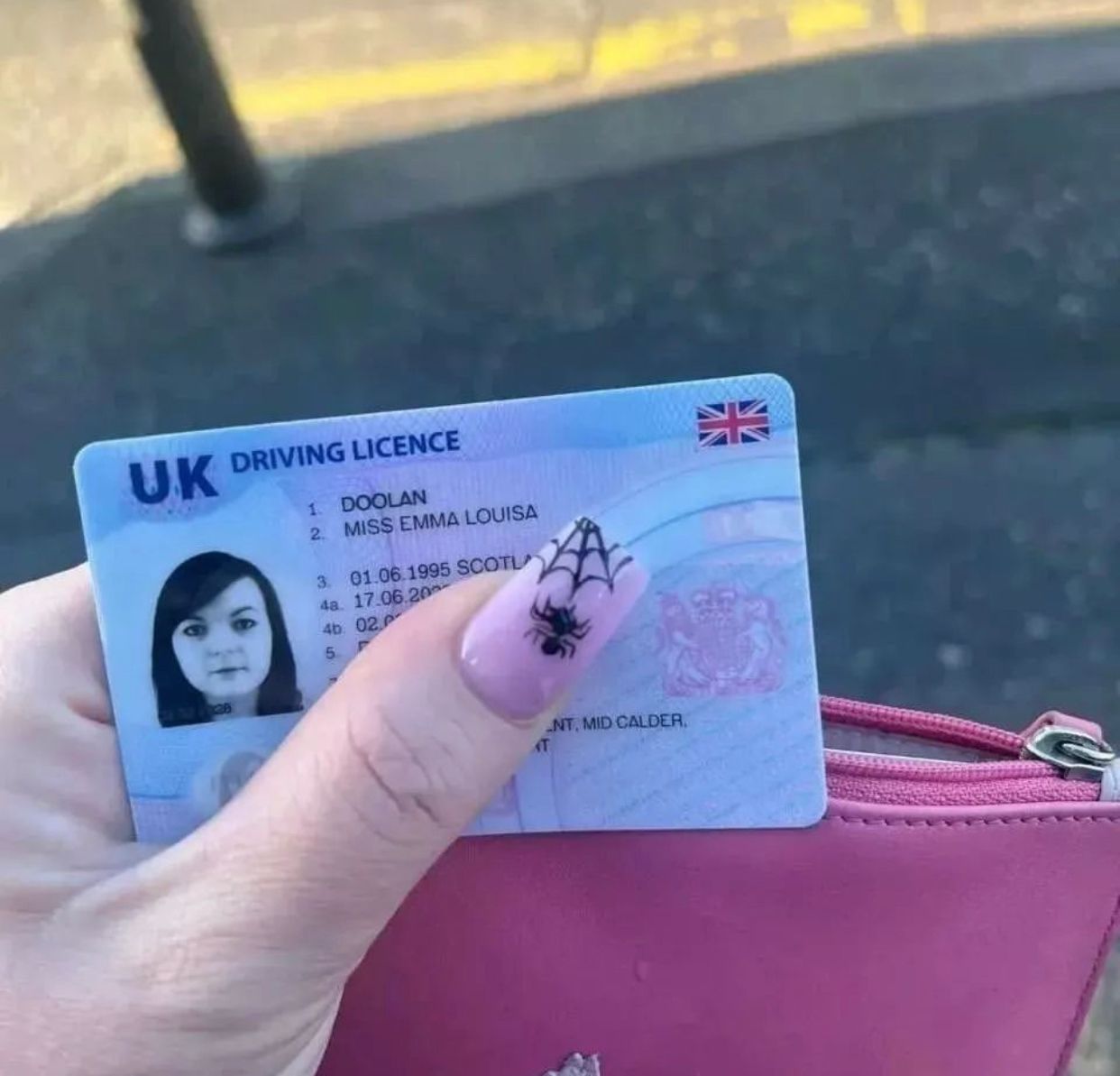
Understanding the British Driving Licence: An In-Depth Guide
The British driving licence is more than simply a card that enables individuals to drive; it is an important legal document that plays a substantial function in guaranteeing road safety and personal movement within the UK and beyond. Whether you are a local, a visitor, or someone considering relocating to the UK, comprehending the complexities of the British driving licence is important. This blog site looks into different aspects of the British driving licence, including types, application procedures, and typical FAQs.
Types of British Driving Licences
The UK uses a number of kinds of driving licences, classified based upon the vehicles individuals are allowed to operate. Below is a table laying out the main types of driving licences:
| Licence Type | Cars Permitted | Age Requirement |
|---|---|---|
| Provisional Licence | Learner drivers (automobiles, bikes) | 17 years |
| Full Car Licence (Class B) | Cars, vans as much as 3.5 tonnes and 8 traveler seats | 17 years |
| Complete Motorcycle Licence | Motorbikes (varies by CC (cubic centimetres)) | 24 years (Direct Access) or 21 years (Progressive Access) |
| Full Bus Licence | Buses (more than 8 guest seats) | 24 years |
| Complete Lorry Licence | Goods lorries over 3.5 tonnes | 18 years |
Additional Categories
- Category A: Motorcycles
- Category AM: Mopeds
- Classification C: Large products vehicles (LGVs)
- Category D: Buses
Application Process for a British Driving Licence
Requesting a British driving licence includes a series of steps, beginning with obtaining a provisionary licence to ultimately attaining a full driving licence. The following supplies a comprehensive breakdown of the procedure:
Step 1: Obtain a Provisional Licence
To drive legally in the UK as a learner, individuals must initially obtain a provisionary licence. Secret requirements include:
- Be at least 15 years and 9 months old (however can just start driving an automobile when you are 17).
- Be a resident of Great Britain.
- Pass an eyesight test.
Step 2: Take Driving Lessons
Once you have your provisionary licence, you can begin taking driving lessons. It is advisable to take lessons from a certified driving trainer to prepare for the driving test.
Action 3: Pass the Theory Test
The theory test includes multiple-choice questions and a danger understanding test. Prospects need to:
- Score a minimum of 43 out of 50 in the multiple-choice area.
- Attain a minimum rating of 44 out of 75 in the danger perception area.
Step 4: Pass the Practical Driving Test
After successfully passing the theory test, prospects can reserve their practical driving test. The test assesses useful driving abilities and techniques. Candidates must:
- Show skills in numerous driving maneuvers.
- Show awareness of road safety regulations.
Step 5: Obtain a Full Driving Licence
Upon passing the driving test, candidates can get their full driving licence. This can typically be done online, and the new licence will be issued in the mail.
Important Considerations
- International Driving: If you are going to the UK, please note that valid driving licences from other nations may be acceptable. However, it's necessary to inspect the guidelines for your specific country.
- Updating Your Licence: Drivers need to keep their information up-to-date, including modifications in address or name.
- Renewal: Although there is no specific renewal period for driving licences in the UK, drivers need to restore their photo every 10 years.
Often Asked Questions (FAQ)
1. Can I drive with an EU driving licence in the UK?
Yes, you can drive in the UK with a legitimate EU driving licence. However, guidelines might vary post-Brexit, so examining specific regulations is suggested.
2. For how long is a British driving licence valid for?
In the UK, a driving licence is normally valid for 10 years, after which it should be restored, primarily to upgrade the picture.
3. What should I do if I lose my driving licence?
If you lose your driving licence, you ought to report the loss to the DVLA (Driver and Vehicle Licensing Agency) and obtain a replacement online or by mail.
4. Can I drive in the UK on my abroad licence?
Visitors can usually drive in the UK for up to a year using their foreign driving licences, however it's important to examine particular guidelines based on the nation of origin.
5. What occurs if I am captured driving without a valid licence?
Driving without a legitimate licence can result in fines, charge points, and potentially a restriction from driving if captured consistently.
The British driving licence is an integral part of the UK's driving system, guaranteeing that drivers satisfy particular requirements of skills and duty. Understanding the various kinds of licences, how to get them, and making sure compliance can substantially boost the driving experience. Whether UK Driving License are a new citizen or preparing a check out, being notified will lead the way for safe and legal driving in the UK. Always remember to stay updated concerning any changes in the policies to maintain compliance and guarantee road security for all users.